<img height="1" width="1" style="display:none" src="https://www.facebook.com/tr?id=632095009275413&amp;ev=PageView&amp;noscript=1">

Bodywork for PTSD: Intensive with Matthew Howe

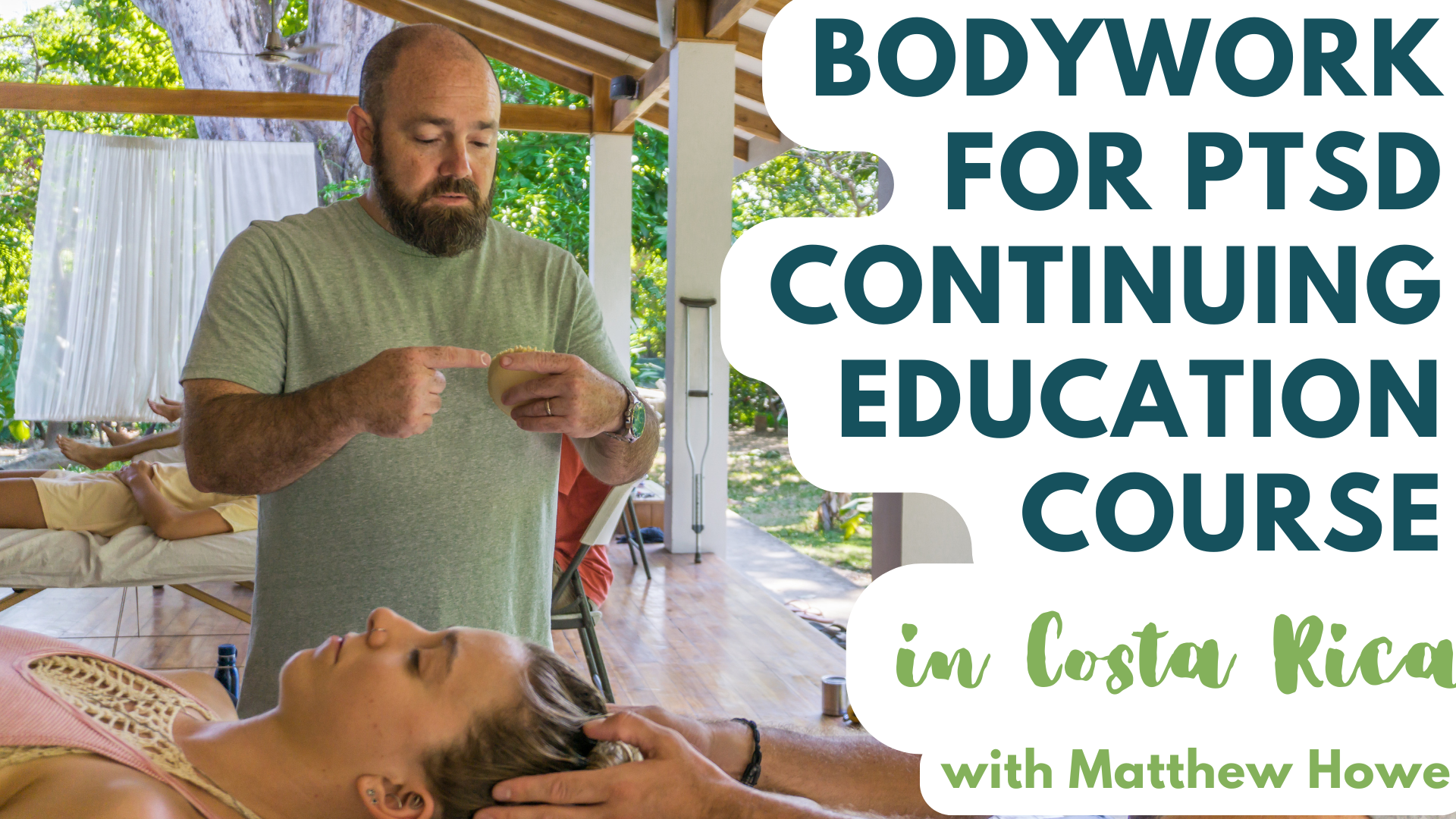
Bodywork for PTSD 

Your trauma is unique to you—but trauma is not unique to you.


Matthew Howe at the Costa Rica School of Massage Therapy

What You'll Learn

Bodywork for PTSD is a training for massage and bodywork professionals focused on what we can responsibly and skillfully do when working with nervous systems impacted by trauma or shaped through stress. Rather than centering on stories or diagnoses, this work examines how alarm shows up in tone, rhythm, and tissue—and how touch, including craniosacral and other bodywork techniques, can support homeostatic recovery without force, fixing, or retraumatization. The emphasis is on listening, pacing, and integration: learning how to work with the body’s responses in real time while weaving that awareness into the sessions you already offer, including the thoughtful use of craniosacral techniques. This is not a modality or protocol-based course, but a way of working that supports clarity, safety, and sustainability for both practitioner and client. Our goal is simple: to help the helpers work more effectively, ethically, and with greater confidence in their touch and decision-making.


Course Overview

Bodywork for PTSD

This course explores how stress and trauma organize themselves in the body—and how skilled bodywork can support regulation without force, retraumatization, or protocol dependence. Rather than teaching another modality, the emphasis is on clinical decision-making, nervous-system awareness, and real-world
integration.


Participants in Bodywork for PTSD 1 & 2 will learn how to:
• Understand how stress and trauma influence autonomic function, perception, tone, and tissue response
• Recognize states of alarm, adaptation, and settling through breath, rhythm, and palpatory cues
• Assess clients without an agenda, diagnosis, or needing the story
• Establish healthy touch through pacing, presence, communication, and clear professional boundaries
• Distinguish between restriction and resistance and respond appropriately without force
• Apply non-invasive, trauma-informed approaches from micro to macro—locally,
regionally, or globally—without direct contact with sensitive or charged areas
• Support homeostatic recovery by working with the body’s self-corrective processes rather than attempting to “fix” symptoms
• Integrate nervous-system awareness into existing massage and bodywork sessions
• Maintain ethical scope of practice with complex nervous-system presentations
• Develop sustainable practitioner habits that support longevity, clarity, and confidence

Certification in the United States

  •  30 Hours NCBTMB Approved Continuing Education Credits
    • Official Course Title on Certificate: Bodywork for PTSD 1 and Bodywork for PTSD 2
    • NCBTMB AP # 450438-07
      CE BROKER 50-9319
      BODYWORK FOR PTSD 1 - 16 CE (CE Broker # 20- 361930)
      BODYWORK FOR PTSD 2 - 14 CE (CE Broker # 20- 651363)

Prerequisites

  • Completion of a Massage Therapy certification program

  • Open to all licensed, certified, or registered Massage Therapists

Instructor

Matthew Howe- Touch Education

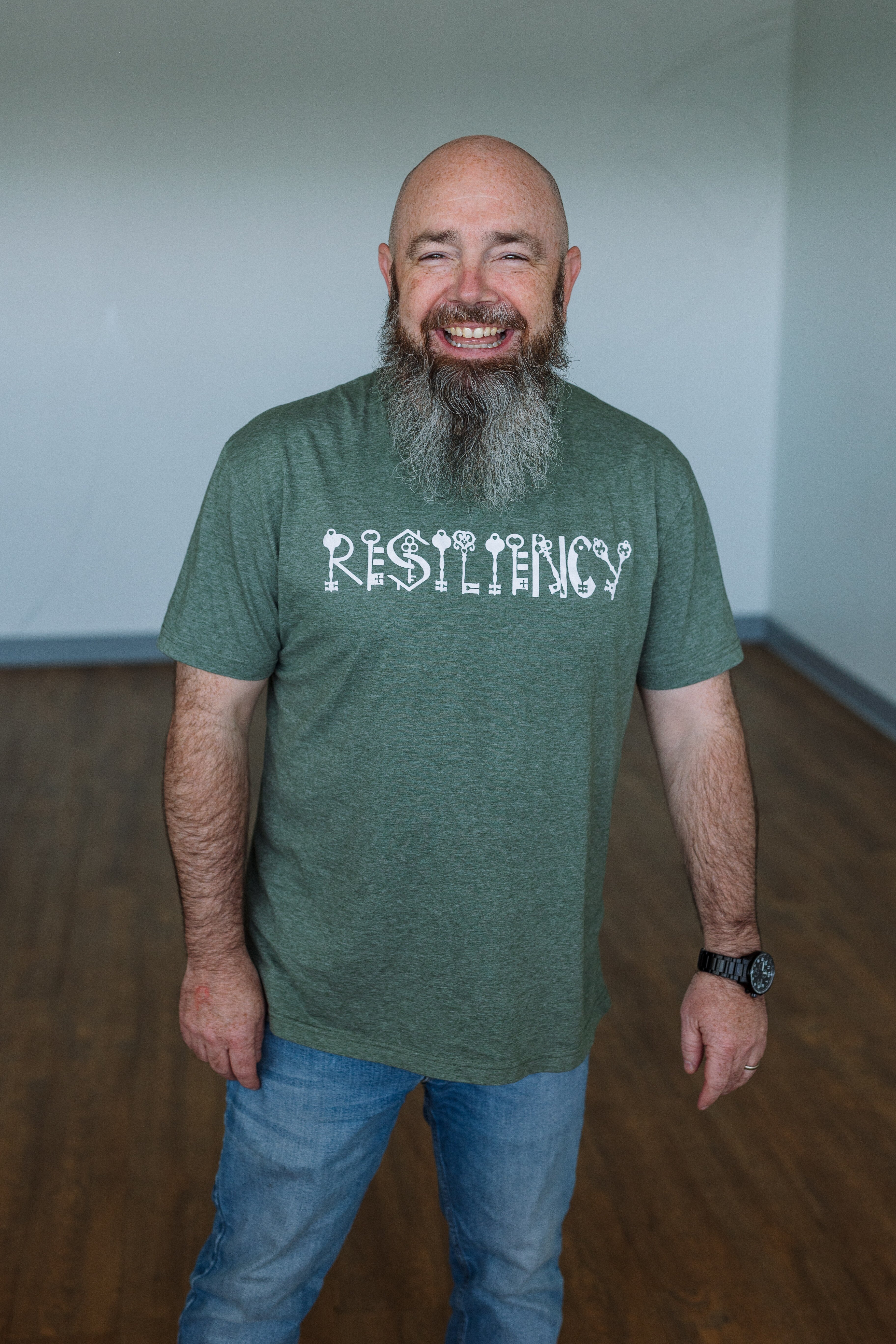
Matthew Howe, LMT, is the founder of Touch Education and co-founder of Massage Cincy, a multi-location therapeutic massage practice in the Cincinnati metro area. Practicing since 2000, Matthew brings over two decades of experience across clinical, spa, and private-practice settings, including 17 years as an instructor at the Central Florida School of Massage Therapy and 5 years at the Costa Rica School of Massage Therapy.

His work lives at the intersection of practice and teaching, where real-world sessions inform thoughtful, outcome-aware education that honors both craft and curiosity—equal parts art and science, shaped by what shows up on the table and in the classroom. In 2012, Matthew created Bodywork for PTSD, an educational series that equips bodyworkers to work skillfully with stress and trauma through healthy, neutral, supportive touch, observation, and nervous-system awareness—without diagnosis or force. His approach reframes the practitioner’s role from fixer to facilitator of change and educator in selfobservation, emphasizing clarity,


087A2577
Overview
Instructor: Matthew Howe
Dates: June 7 - June 13, 2026
Location: Playa Samara, Costa Rica
Cost: Starting at $1,250

Frequently Asked Questions

Dates

June 7, 2026 - Arrivals Day

June 8th - June 12th, 2026 - Class Days

June 13th, 2026 - Departures Day

Price

$1,250 – Tuition and Shared Room

$1,450 – Tuition and Single Room

Accommodations

On-Campus Accommodations

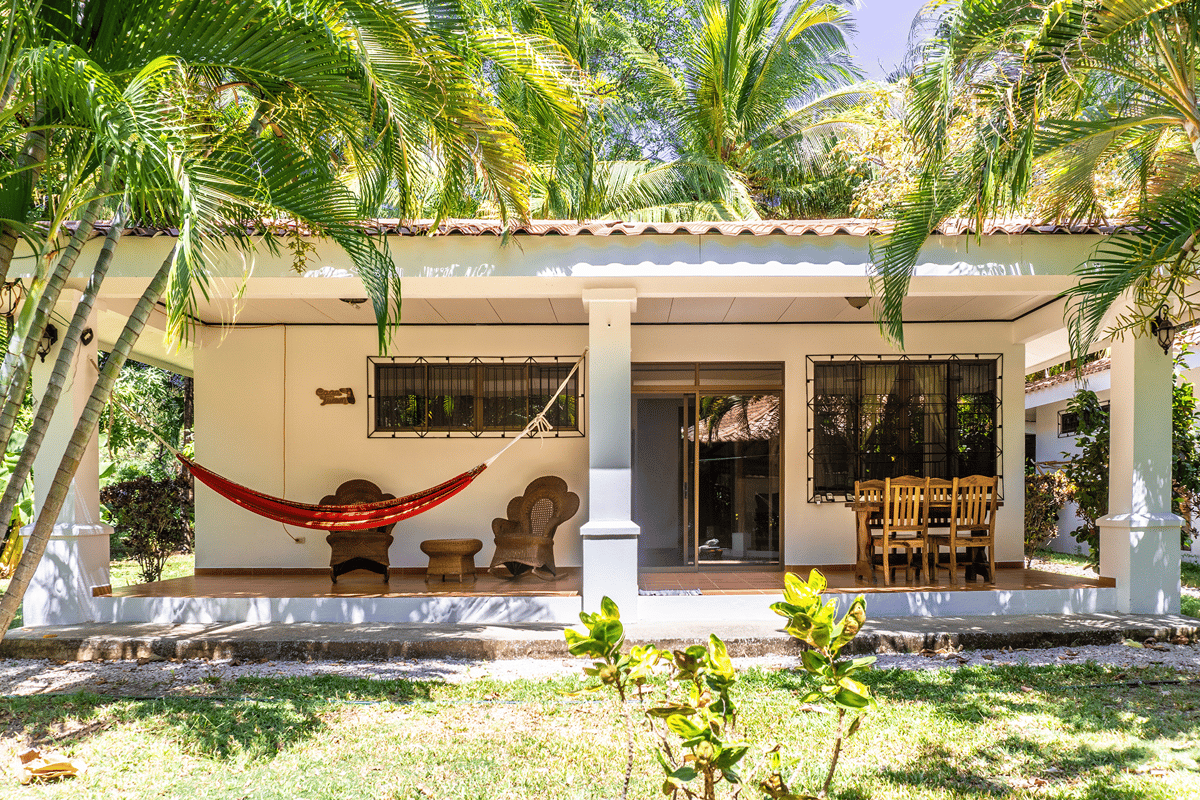
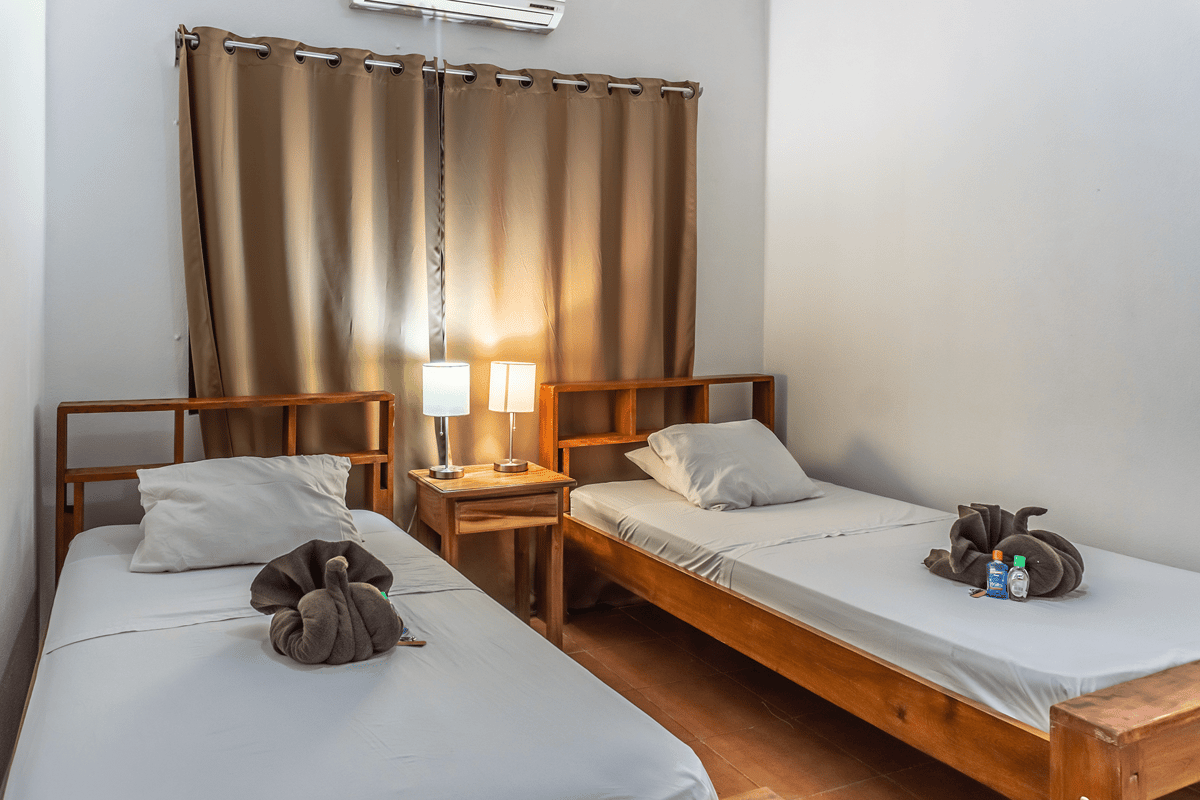
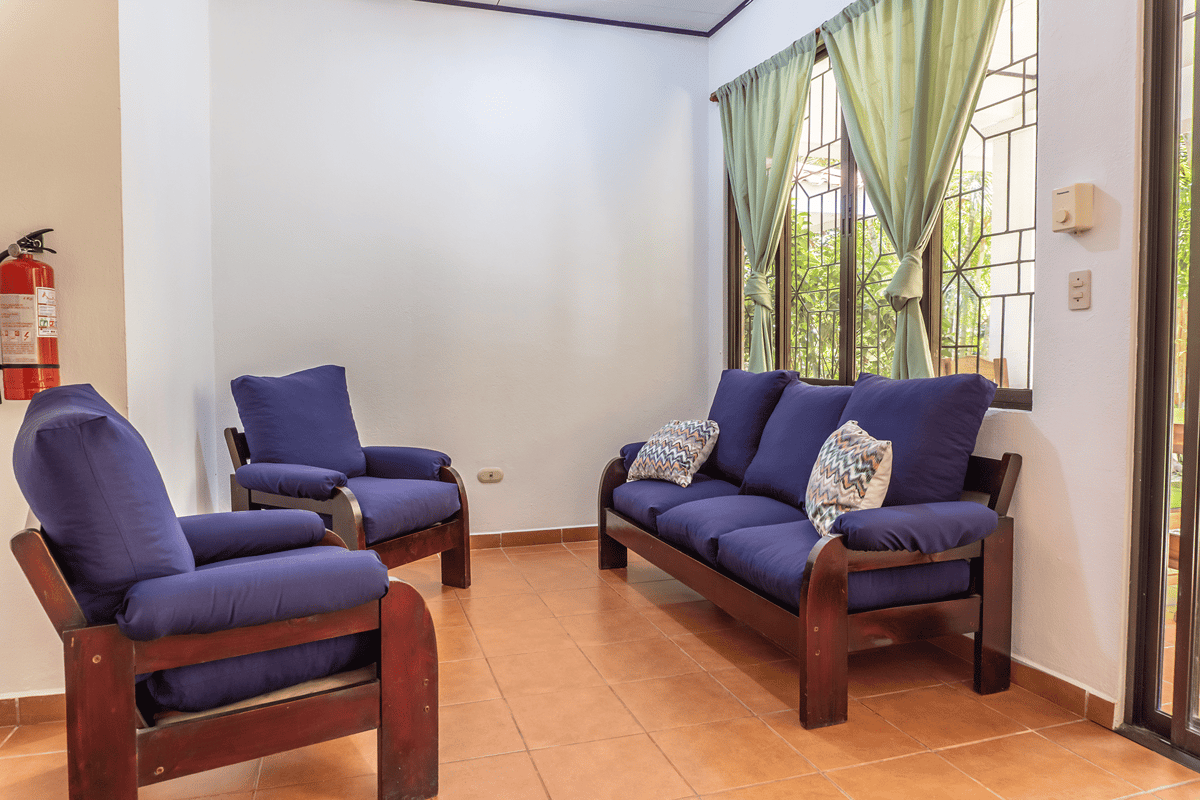
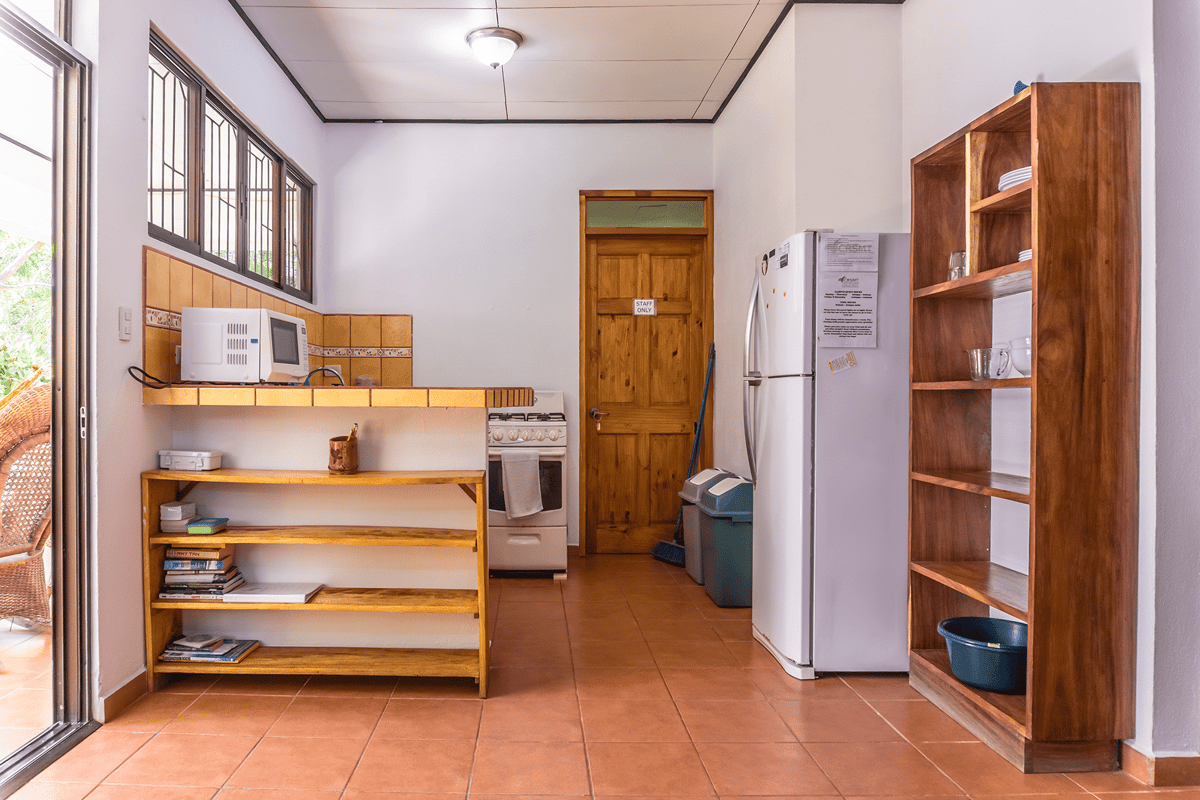
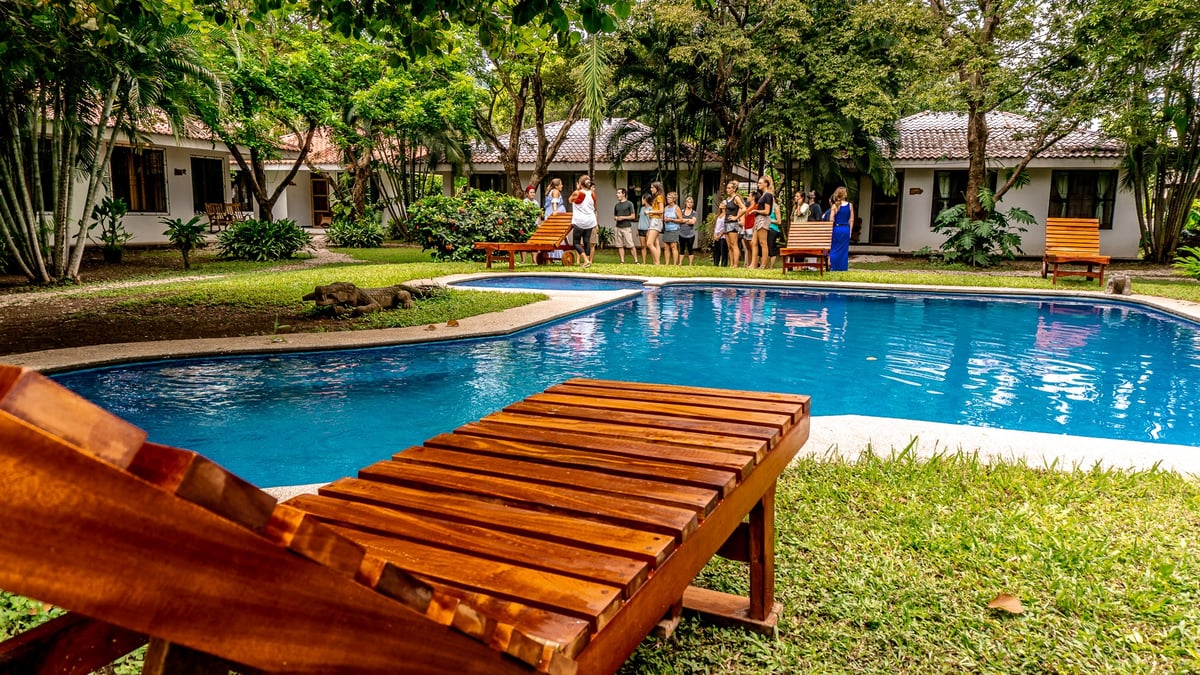
Enjoy simple and comfortable accommodations in our Costa Rican style bungalows tucked away in the heart of Playa Samara just seconds from the beach. Each 2 or 3 bedroom bungalow is fully furnished with a fully equipped kitchen, bathroom, and living room. Single or double bedrooms are available as well as studio apartments. Enjoy the swimming pool, lush gardens, WiFi access, hot water showers, and fans. A/C is included for all on-campus housing options for this course.

What's Included?
  • 30 Hours NCBTMB Approved Continuing Education Credits
  • Airport Pickup and Dropoff
  • 6 nights lodging in our Oasis Villas – fully appointed bungalows with complete kitchens in the heart of Playa Samara
  • Course Manual and use of all classroom facilities (tables, linens, lubricant etc.)
What's Not Included?
  • Airfare
  • Meals – all accommodations come with fully equipped kitchens, and there are several local grocers including an organic market all within 5 minutes
Sample Daily Schedule

Arrivals Day

Arrive to campus and settle in

Day 1:

Morning - 

  • What is PTSD and what can we do?

  • Healthy Touch

  • Orientation for optimization

Afternoon - 

  • Techniques and approaches for the nervous system - rhythm & stillness

Day 2:

Morning - 

  • Communication: the autonomic nervous system                 

  • Techniques and approaches for the nervous system - neck & head

  • Integration and practice

Afternoon - 

  • Techniques and approaches for the nervous system - low back

  • Integration and practice

Day 3:

Day off/adventure day


Day 4:

Morning -

  • The 3 R's of sessionwork

  • Techniques and approaches for the nervous system - micro & macro

Afternoon - 

  • Whole body evaluation, techniques and approaches for the human

Day 5:

Morning - 

  • Communication with the nervous system

  • Techniques and approaches for empowerment and agency

Afternoon - 

  • Integration and practice

Departure Day

Depart from Campus

*Class days Mon & Tues start at 8:30AM and End at 5:30PM, Thurs & Friday end at 4:30PM and include multiple breaks including a 1 hour lunch break

Lymphatic-Drainage-Certification-Bungalow-Amenities-Porch
Lymphatic-Drainage-Certification-Bungalow-Amenities-Bedroom
Lymphatic-Drainage-Certification-Bungalow-Amenities-Sitting-Area
Lymphatic-Drainage-Certification-Bungalow-Amenities-Kitchen
Lymphatic-Drainage-Certification-Pool

Request More Information

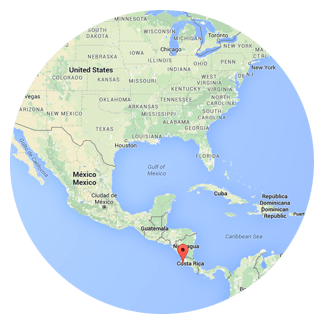
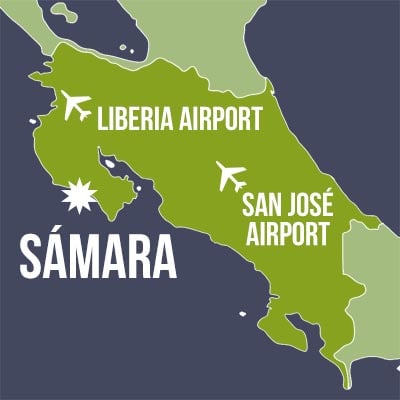
Map-location

PLAYA SÁMARA, COSTA RICA

Location

Playa Samara is a perfect paradise for continuing education in orthopedic massage in Costa Rica. The town is nestled in the beautiful green hills of the famous Nicoya Blue Zone on the Pacific Coast of the peaceful Central American nation.

Highlights

Enjoy strolling the streets of the small downtown area and visiting the many local and international restaurants, bars and discos, and cute gift shops. The beautiful and tranquil Samara Bay is surrounded by miles of palm tree lined white sand beaches and provides a perfect and safe location for kayaking, snorkeling, surfing, SUP, and swimming as well.

Map-with-Labels